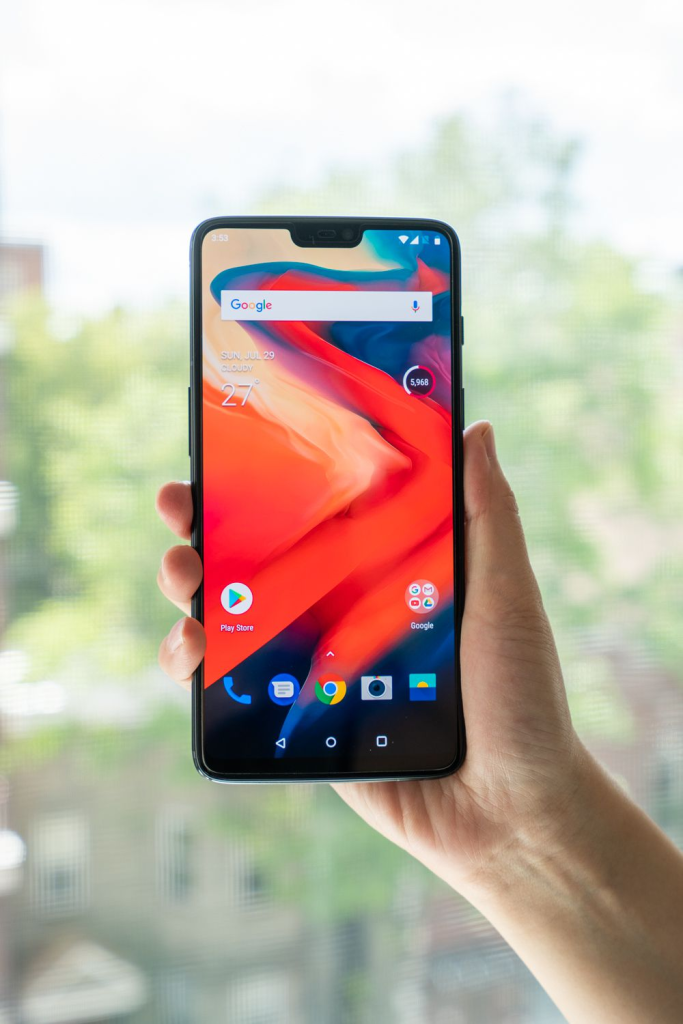
Cellphones, as a digital representation of communication, have revolutionized the way we connect and access information in both historical and modern contexts. Historically, they marked a significant leap from landlines, providing mobility and instant communication, thus improving access to resources and increasing productivity. In the modern context, they continue to evolve with advanced features such as high-definition cameras, internet access, and sophisticated applications, offering unmatched convenience and connectivity. However, the digital nature of cellphones also comes with limitations, particularly when overused. Excessive use can lead to physical health problems like eye strain and sleep disruption, as well as mental and emotional challenges such as addiction, stress, and anxiety. Moreover, while cellphones provide easy communication, they can reduce the quality of face-to-face interactions, leading to social isolation. In this way, while digital representations through cellphones have transformed communication, they also come with trade-offs that must be managed for a healthy balance.